


JACKSON, Wyo. — May is wildfire awareness month, and the beginning of the summer season on Bridger-Teton National Forest and Grand Teton National Park.
While snow still persists in many areas of the valley, with more rain and snow forecasted to come, warmer weather is here, and to many, that means camping.
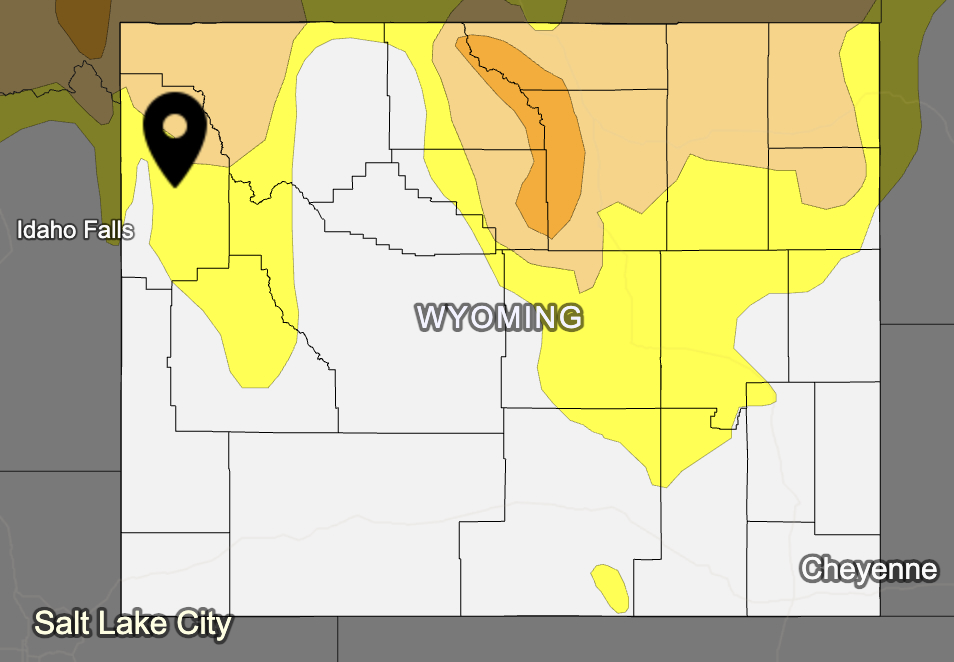
The National Oceanic and Atmospheric Administration (NOAA) has recorded the wettest March on record, dating back 130 years. Even with all the seasonal precipitation, Teton County is experiencing abnormally dry conditions. According to NOAA, abnormally dry indicates a region that is going into or coming out of drought. The fire danger is currently “low” in the region.
According to Teton Interagency Fire, over 100 unattended or abandoned campfires are put out by patrollers or fire personnel each season in the region. The Teton Interagency Fire Dispatch Center located in Moose has outlined guidelines to prevent wildfires and maintain safe campfires.
Building a campfire
Only use existing fire rings. If a campsite doesn’t have a fire ring, do not build one.
Keep campfires small. Only burn a few large pieces of wood at any one time. Make sure the wood fits within the ring.
Never cut whole trees or branches, dead or alive. Live materials won’t burn and dead standing trees — called “snags” — are often homes for birds and other wildlife.
Campfire safety
Once a strong fire is going, add larger pieces of dry wood to keep it burning steadily. This will keep embers from flying and smoke to a minimum. Keep the fire to a manageable size.
Don’t burn dangerous things like aerosol cans, pressurized containers, glass or aluminum cans. They could explode or shatter and create harmful fumes or dust. Do not leave campfires unattended under any circumstances. Children and pets should always be supervised around a campfire.
Extinguishing a campfire
Allow the wood to burn completely to ash, if possible.
If water is available, drown all embers, not just the red ones. Continue pouring water on the fire until the hissing sound stops. If water is not available, stir dirt or sand into the embers with a shovel to bury the fire. Scrape the logs to remove embers and cover the embers with dirt or sand. No embers should be exposed and smoldering.
If it’s too hot to touch, it’s too hot to leave, says Teton Interagency Fire.
More information about community mitigation, including preparing the home for wildland fires, is available here.









