


JACKSON, Wyo. — This week, Oct. 24 to 31, is Bat Week, the annual celebration aimed at raising awareness about the need for bat conservation.
According to Yellowstone National Park (YNP), bats are the only mammals capable of sustained, flapping flight. To support the energy demands for flight, insectivorous bats must eat a large number of insects. YNP has 13 species of bats living within the park, which are all insectivorous.
Bats mate in late summer or autumn, just before entering into hibernation for the winter. Most bats give birth to one pup per year, although four species in the Greater Yellowstone Ecosystem have two or more pups at a time. Bat pups begin flying as early as two weeks after birth and become mature in one to two years, relatively slow compared to other animals, according to YNP.
YNP wrote on its website that the fungal pathogen Pseudogymnoascus destructans, which causes white-nose syndrome (WNS), has been responsible for declines as high as 99% in wintering bat populations, leading to regional extinctions of several species in northeastern North America. Bats cannot recover quickly, if at all, from these substantial population declines because most species that are vulnerable to WNS rear only a single pup per female each year.
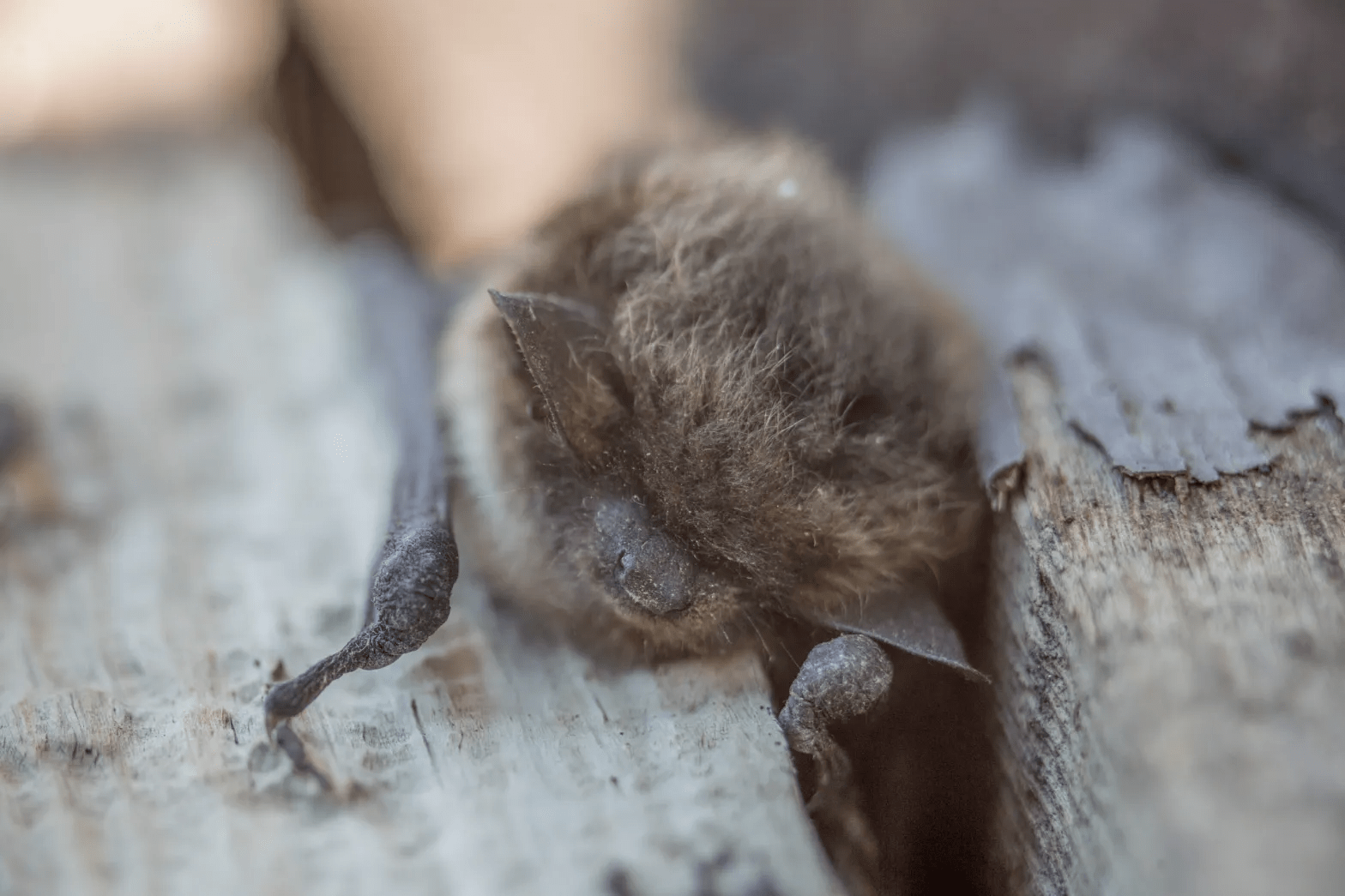
During spring and summer, bats roost in natural habitats, including thermally heated caves, as well as in bridges, buildings and other human structures, which can lead to conflicts with human use and historical preservation plans.
Female bats captured with mist nets and fitted with radio transmitters have helped to identify buildings that serve as maternity roosts (where females raise young) for little brown bats. Research suggests that access to building attics within YNP is critical for their reproductive success and long-term conservation, according to the park.
Contrary to the expression “blind as a bat,” bats typically have excellent vision used for hunting, YNP said via its website.
YNP says that bats use an echolocation system to navigate and find food in the dark. Many species produce pulses of high-frequency ultrasonic sound and listen for the returning echoes. The echoes provide bats with a sonic picture of the environment, which includes the movement of prey. Most bats also use lower-frequency calls to communicate with each other.
Bats’ predators are generally opportunistic and include owls, falcons, hawks, snakes and raccoons. Only about 40 to 80 percent of bats that survive their first year live for another seven to eight years. A bat’s lifespan is 10 to 30 years.
Learn more about bats in Yellowstone here.
Editor’s Note: This article runs annually during Bat Week.










