CHEYENNE, Wyo. — The Wyoming Game and Fish Department and the Wyoming Department of Health have issued updated guidelines for anglers who eat fish caught in Wyoming waters.
According to game and fish, the new fish consumption guidelines provide recommendations on healthy servings of fish while limiting mercury consumption to safe levels.
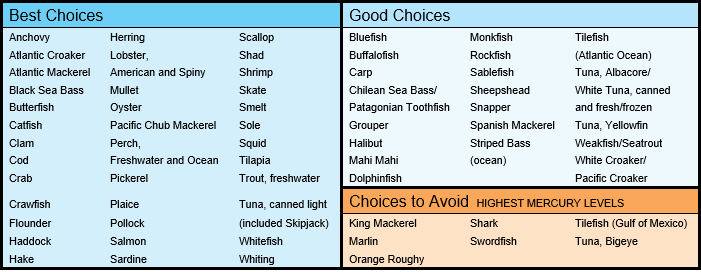
The guidelines recommend up to two to three servings of fish a week from the “best choices” list or one serving from the “good choices” list for adults. The department recommends that children eat two servings per week from the “best choices” list.
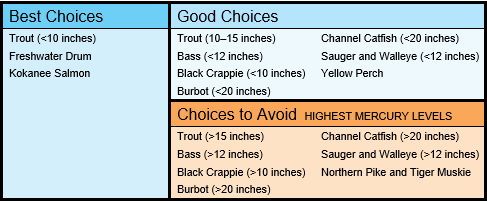
To determine the mercury levels in Wyoming’s sportfish, Game and Fish collected tissue samples from each species of fish in waters throughout the state. The samples were sent to the EPA laboratory in Golden, Colorado, for testing.
“Game and Fish focused sampling on priority waters where lots of people keep and eat their catch and on species that people eat frequently like trout, walleye, sauger, yellow perch and crappie,” said Travis Neebling, Aquatic Assessment Crew fisheries biologist who led the sample collection. “Those fish mostly come from lakes and reservoirs.”
According to game and fish, mercury is a widespread and naturally occurring element, and some soil and geologic formations naturally have higher levels of mercury. Most mercury pollution occurs as atmospheric deposition related to energy consumption and production and industrial processes. Mercury may also enter Wyoming waters through household refuse, batteries, mining and industrial wastes. Once in a lake, mercury is converted to methylmercury by bacteria and other processes. Fish absorb methylmercury into their tissues from their food and from water. Mercury levels increase as fish get larger and older. Predatory fish, such as walleye, burbot and large trout often accumulate more mercury because they eat other fish. There is no method of cooking or cleaning fish that will reduce the amount of mercury in a meal.
The department also released a diagram about mercury levels in storebought and fish supplied to restaurants.