YELLOWSTONE NATIONAL PARK — Yellowstone National Park (YNP) will open to visitors for the winter season on Monday, Dec. 15, the park has announced.
Visiting YNP in winter can be a bit more complex than it is in summer. While the North and Northeast entrances are open to vehicles year-round, the majority of the park’s roads are only accessible through commercially guided tours and the snowmobile lottery program.
YNP notes that snow accumulation varies across the park and its roads, so visitors should be prepared to be flexible. Visitors will be able to enjoy the wintery park through mid-March, when plowing crews get to work preparing for peak season.
Yellowstone encourages winter visitors to keep these factors in mind:
- Most park roads are closed to automobiles. Anticipate possible road closures due to quickly changing weather and dangerous driving conditions. Check the road status map before arrival. Drive cautiously and give plenty of space to snowplows. Do not stop, stand, or walk in the road. Use a turnout to stop for any reason.
- Want to see Old Faithful? Park partners, concessioners and authorized businesses offer a variety of guided tours throughout the park during the winter months.
- Services are limited. Most facilities are closed during winter. Check winter operating dates to see which visitor centers, stores, restaurants, lodges and warming huts are open.
- Camping and lodging: Old Faithful Snow Lodge and Mammoth Hot Springs Hotel are open during winter. Make reservations as far in advance as possible. Lodging is also available in nearby communities. There is limited first-come, first-served camping available at the Mammoth Campground.
- Prepare for winter conditions. Winter temperatures range from zero to 20°F (-20°C to -5°C) throughout the day. Sub-zero temperatures are common, especially at night and at higher elevations. Check current weather conditions, pack proper clothing and equipment and review winter safety tips.
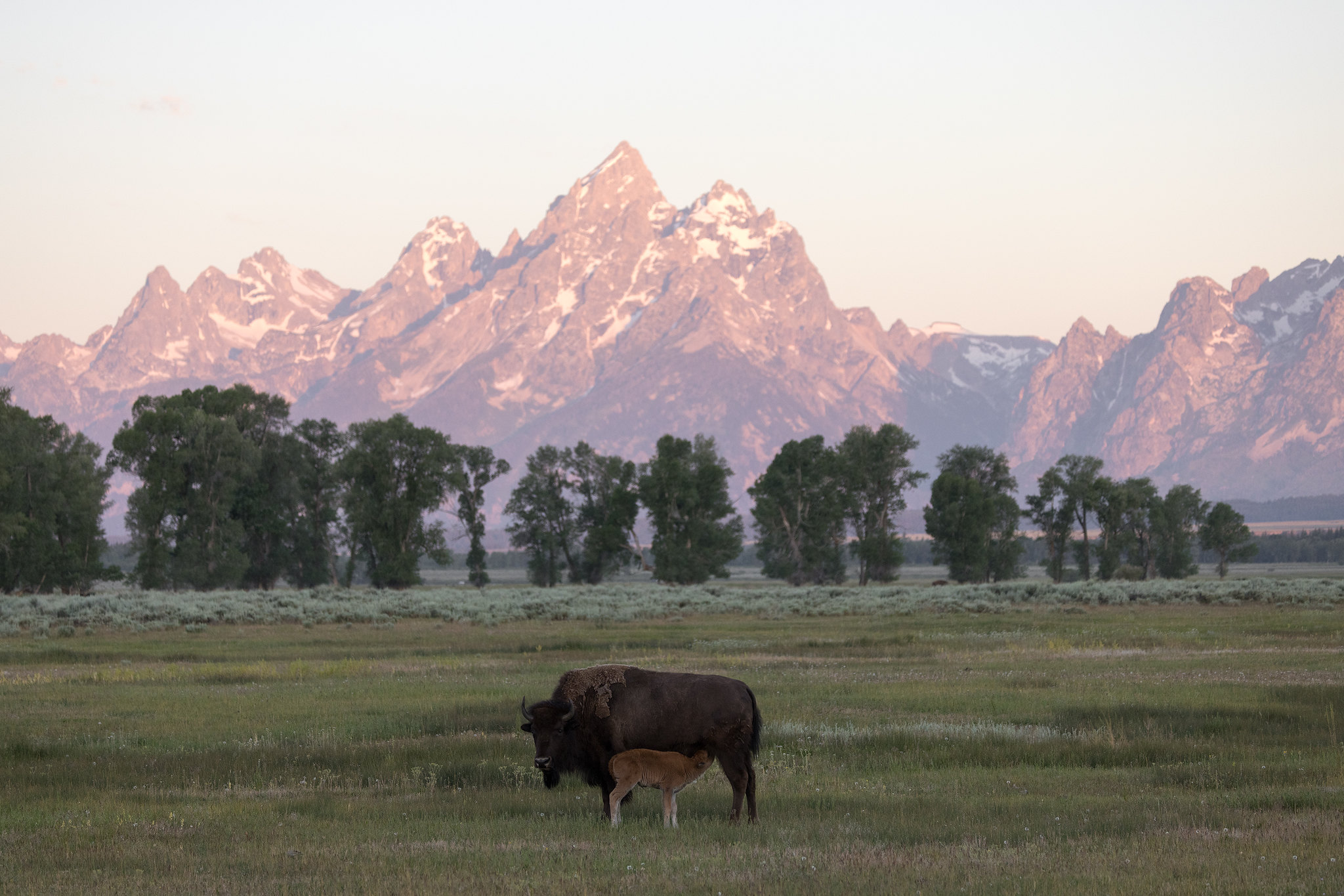
- Do not approach or feed wildlife. Animals have the right of way. Expect to encounter bison and other wildlife on park roads. Slow down or pull over until they pass or move off the road. Stay 100 yards (91 m) from bears, wolves, and cougars and 25 yards (23 m) from all other wildlife. The safest way to view wildlife is through a telephoto lens, a spotting scope or a pair of binoculars. Store food properly and be aware that in some areas, ravens have learned to unzip backpacks to obtain contents.
- Stay on boardwalks. People have been severely injured or killed by breaking through thin ground in thermal basins or falling into hot springs. Exercise caution and wear traction aids over footwear when navigating snowy or icy boardwalks.
- Connectivity is limited. Phones will likely not receive calls or texts, even in the few areas with cell reception.