YELLOWSTONE NATIONAL PARK — Yellowstone National Park (YNP) has some safety tips for folks planning a Fourth of July visit.
It’s peak season in the park, and YNP is reminding visitors how to keep themselves and the flora and fauna of the park from harm.
The park has 10 tips for everyone to keep in mind:
- Don’t bring fireworks: Teton Interagency Fire raised fire danger for the region to “moderate” on June 25. The park warns that sparks from fireworks have the ability to start a wildfire. Visitors are also reminded to keep fires to established fire rings in campgrounds and to tend them until they’re cold to the touch. Find out more about fire danger and recent fires in YNP here.
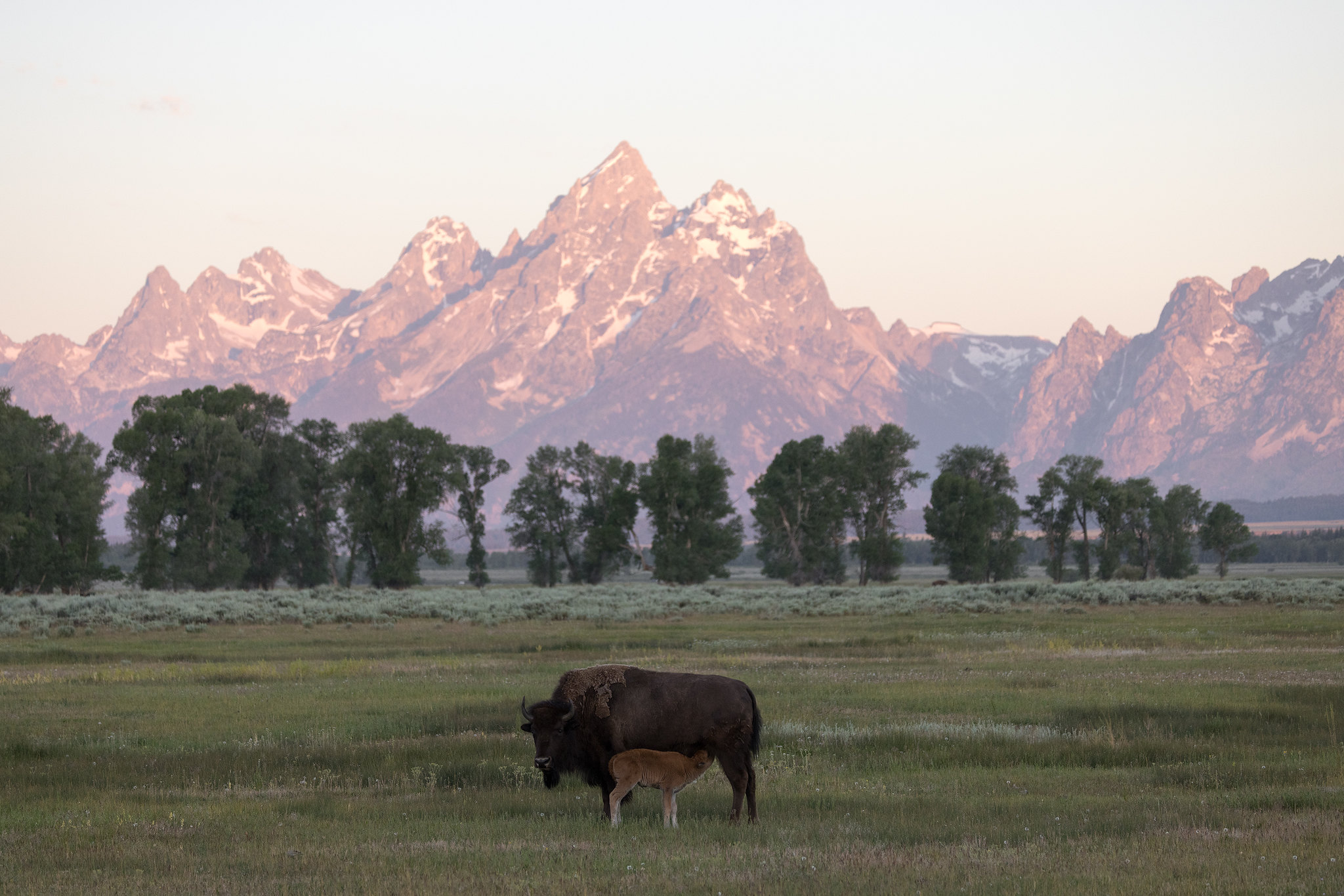
- Stay a safe distance from wildlife: Stay at least 25 yards away from all wildlife, and up that distance to 100 yards for bears and wolves. If an animal moves closer, back away. Here’s a guide to safely watching wildlife.
- Drive and park safely: Follow all road signs and don’t stop in the middle of the road. When pulling over, make sure all four vehicle tires are all the way to the right of the white line, and allow extra time to travel through the park during this busy season.
- Stay up-to-date on road status: Summer is also construction season, so check for delays or road closures online before heading into the park. Call 307-344-2117 or text 82190 to 888-777 for traffic information.
- Make the most of a trip by learning about the variety of things to do ahead of time in order to take advantage of them on a visit.
- Stay on boardwalks: Boardwalks are placed over hot springs because the ground below them can be fragile. Avoid injury or death from these pools by staying on designated paths.
- Make a camping reservation: Campsites usually fill up ahead of time, so grab a spot before going.
- Save time at the entrance by buying a pass online ahead of a visit. Lines at park entries can get long and having a pass in advance will speed up the process.
- Plan for limited cell phone reception.
- Prep for weather changes: Weather in YNP can be unpredictable and change quickly. Bring layers and rain gear to be prepared for extreme temperature swings and precipitation, which can even include snow, and remember to stay hydrated in hot, dry weather.