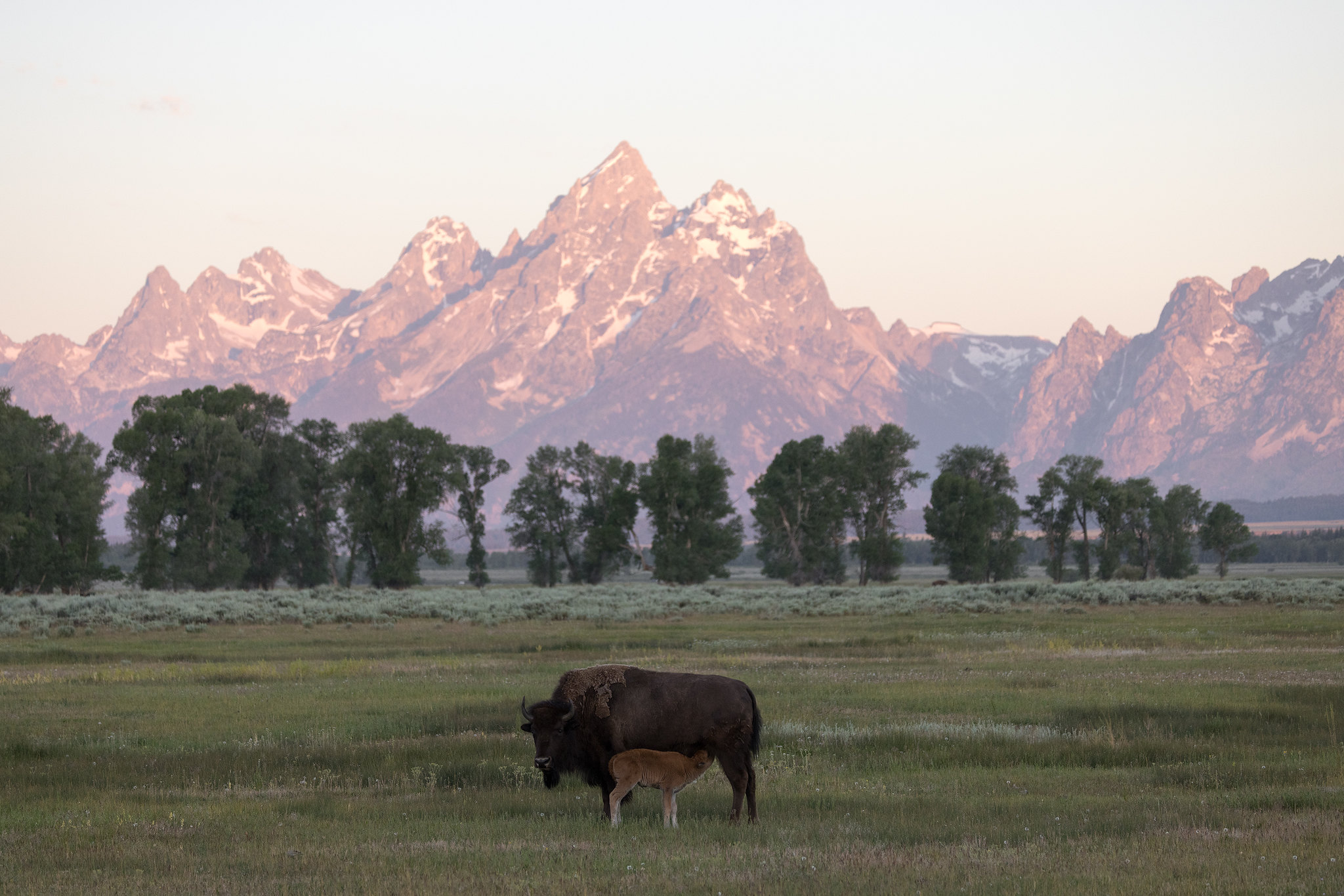
JACKSON, Wyo. — Fifty-six years after the first Earth Day demonstration, the day has evolved into a global movement, unifying environmental issues and an estimated one billion people worldwide.
The first Earth Day was held on April 22, 1970, marking the birth of the modern environmental movement. About 20 million Americans, 10% of the population, took to the streets and college campuses to demonstrate against the impacts 150 years of industrial development was having on the environment, according to the official Earth Day organization. Rallies were held across the country, unifying various environmental movements.
At the time, Earth Day drew support from both political parties and gave a voice to the emerging public concern surrounding the state of the planet.
Public awareness about environmental issues had not been as widely discussed or analyzed in the U.S. prior to Earth Day. In 1969, a massive oil spill occurred in Santa Barbara, California, further bringing air and water pollution concerns to light.
Rachel Carson’s book Silent Spring, published in 1962, also began a national conversation about what industrialization was doing to the environment. The book chronicled the effects of chemical pesticides and sold over half a million copies in 24 countries.
Inspired by these events and the anti-war movement occurring on college campuses throughout the country, Wisconsin Senator Gaylord Nelson, along with a number of activists and organizers, set into motion the first Earth Day.
The first Earth Day led to the establishment of the U.S. Environmental Protection Agency (EPA) and gave way to the passage of other first-of-their-kind environmental laws, including the National Environmental Education Act, the Occupational Safety and Health Act and the Clean Air Act.
In 1972, Congress passed the Clean Water Act. A year after that, Congress passed the Endangered Species Act.
In 1990, Earth Day went global, with organizers in 141 countries and over 200 million people participating. President Bill Clinton awarded Senator Nelson the Presidential Medal of Freedom — the highest honor given to civilians in the U.S. — for his role as Earth Day founder.
By the early 2000s, the messaging for Earth Day began to focus more heavily on the actions required from world leaders to combat global warming, now known as climate change, and the shift to clean energy.
This story runs annually.