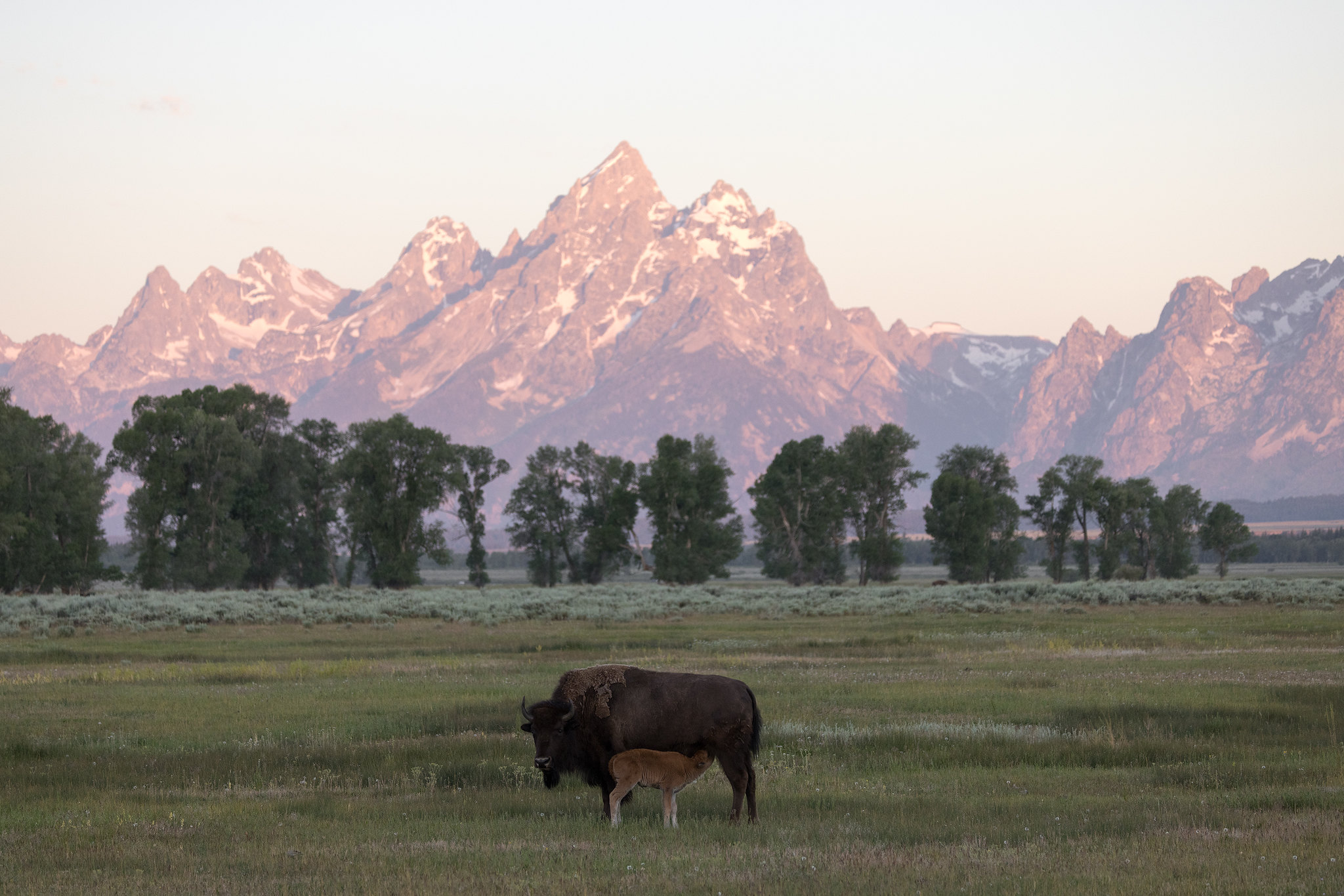
JACKSON, Wyo. — Changing seasons highlight many of the charismatic megafauna in Jackson Hole as the elk are bugling, the moose are mating and the bears are increasing their feeding activity, but with 61 species of mammals, over 10,000 different insects and over 300 species of birds in and around the Teton Range, there are charismatic minifauna worth noting.
Charismatic minifauna, also called microfauna, encompasses a vast and diverse range of species in the valley, including pikas, weasels, pocket gophers, red squirrels, shrews, bees, moths and butterflies, beetles, ants, hummingbirds and songbirds. Minifauna species are notable in their own right and also integral to the ecosystem that supports the bigger species, enabling the sustained continuation of the local habitat.
“Our smallest animals play important roles on the Refuge,” Amy Girard, a local fish and wildlife biologist, previously told Buckrail. Girard noted how dung beetles and carrion beetles help recycle waste and cycle nutrients back into the soil, which can increase the quality of forage and benefit large and small herbivores.

The Ecological Society of America, a nonprofit organization of scientists founded in 1915, calls pikas “ecosystem engineers” for their foraging work that promotes the diversity and distribution of numerous plant species and nutrients. The National Park Service (NPS) considers pikas an indicator species for detecting climate change’s ecological effects in mountainous regions and are tracking how this species responds to climate change over time.

The NPS also says insects in Grand Teton National Park (GTNP) outnumber all of the other animals combined. There are 700 to 800 bee species in Wyoming, but in the 1980s and 1990s Teton County sprayed pesticides throughout the area that decimated the local bee population. The University of Wyoming confirms bee populations are essential for pollinating flowering plants, since bee pollinators are the only ones who transport pollen by design. A 2019 report from the Intergovernmental Science-Policy Platform on Biodiversity and Ecosystem Services (IPBES) also suggests that bees are essential to the biodiversity necessary for humans to survive.

Other winged species include some of the largest and smallest North American birds, which the NPS says live in or pass through GTNP. Western Tanagers notably occupy the local habitat, occurring farther north than any other Tanager, the National Audubon Society (NAS) says. The NAS also notes birds used to have teeth before evolving beaks more than 100 million years ago, but some species still have slight, viewable serrations on their bills indicative of this evolution, like local Trumpeter swans wand Mergansers.
Wildlife viewers can keep an eye out for great gray owls on Moose-Wilson road and agricultural areas south of the park, American badgers around Mormon Row/Antelope Flats, Elk Ranch Flats and the National Elk Refuge, American dippers (John Muir’s favorite bird) along the Gros Ventre River and near Hidden Falls and river otters at Oxbow Bend or in the Snake River, according to Wildlife Expeditions of Teton Science Schools.
Girard also points out the Refuge’s diverse group of pollinators, including butterflies and bees, can be viewed all summer and into fall depending on weather and which plants are still in bloom, and waterfowl can be viewable across all seasons. When winter hits the valley, Girard says visitors will be able to see an abundance of scavengers, including coyotes, eagles and corvids, from Refuge viewing locations.
This story runs annually.