JACKSON, Wyo. — Does that look like 25 yards?
This moose and calf were spotted taking a dip in the Snake River in August. A photographer took the opportunity to get some close-up shots from the riverbank.
When observing wildlife, viewers are encouraged to maintain a distance of at least 25 yards, according to local wildlife agencies. When an animal is protecting its offspring, even more space is recommended.
Grand Teton National Park recommends keeping the following pointers in mind to be a responsible wildlife observer:
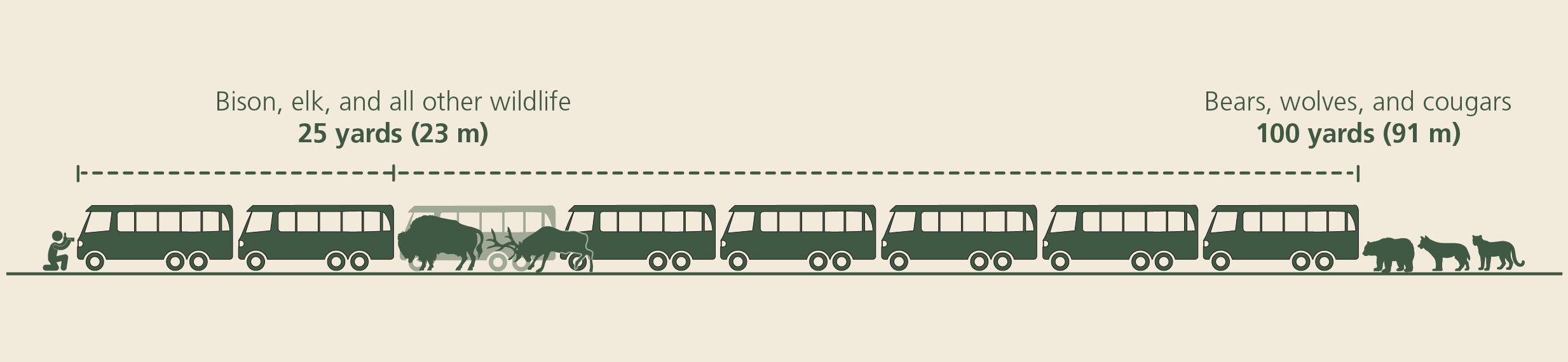
- Use binoculars, spotting scopes or long lenses for close views and photographs. Always maintain a safe distance of at least 100 yards from wolves and bears, and at least 25 yards from all other wildlife.
- Never position oneself between an adult and its offspring. Females with young are especially defensive.
- It is illegal to feed wildlife, including ground squirrels and birds. Feeding wild animals makes them dependent on people, and animals often bite the hand that feeds them.
- Do not harass wildlife. Harassment is any human action that causes unusual behavior, or a change of behavior, in an animal. Repeated encounters with people can have negative, long-term impacts on wildlife, including increased levels of stress and the avoidance of essential feeding areas.
- Allow other visitors a chance to enjoy wildlife. If one person’s actions cause an animal to flee, that person has deprived other visitors of a viewing opportunity. Use an animal’s behavior as a guide to personal actions.