JACKSON, Wyo. — Honoring Our Veterans (HOV) has wrapped up another summer full of healing workshops for wounded and disabled veterans, peaking with a week of fly fishing for a group of veterans who were all women.
Founded in 2008, HOV is a Jackson-based nonprofit that offers veterans free trips to Jackson Hole, where they can find peace in the natural splendor of the Greater Yellowstone Ecosystem and focus on their mental and physical health. Different weeklong programs center around such activities as photography, woodworking and fishing. When the nonprofit first started leading trips, they offered one or two sessions per summer. This year, they ran six.
HOV’s Executive Director Sandy Sandberg told Buckrail that Jackson is the ideal place for these veterans to find some tranquility.
“We have peace and serenity like you can’t find anywhere else in the world,” Sandberg said. “Almost every single session, I hear one of the veterans say, ‘I can’t believe how many stars you guys have.'”
Six veterans from across the U.S. attended this weeklong, women-only session. Each woman was furnished with a new fly fishing rod that was hers to keep. In addition to the fishing trips on the Snake River, the women attended events hosted by the Elks Lodge and American Legion.
Women account for about 18% of military personnel, according to the U.S. Department of Defense.
Sandberg noted that the ladies’ fly fishing trip is a favorite among staff and volunteers, providing women with a safe haven for sharing their experiences.
“There are a lot of female veterans who have gender-specific disabilities,” Sandberg said. “Someone who has been through a military sexual trauma (MST), for example, needs their own specialized setting.”
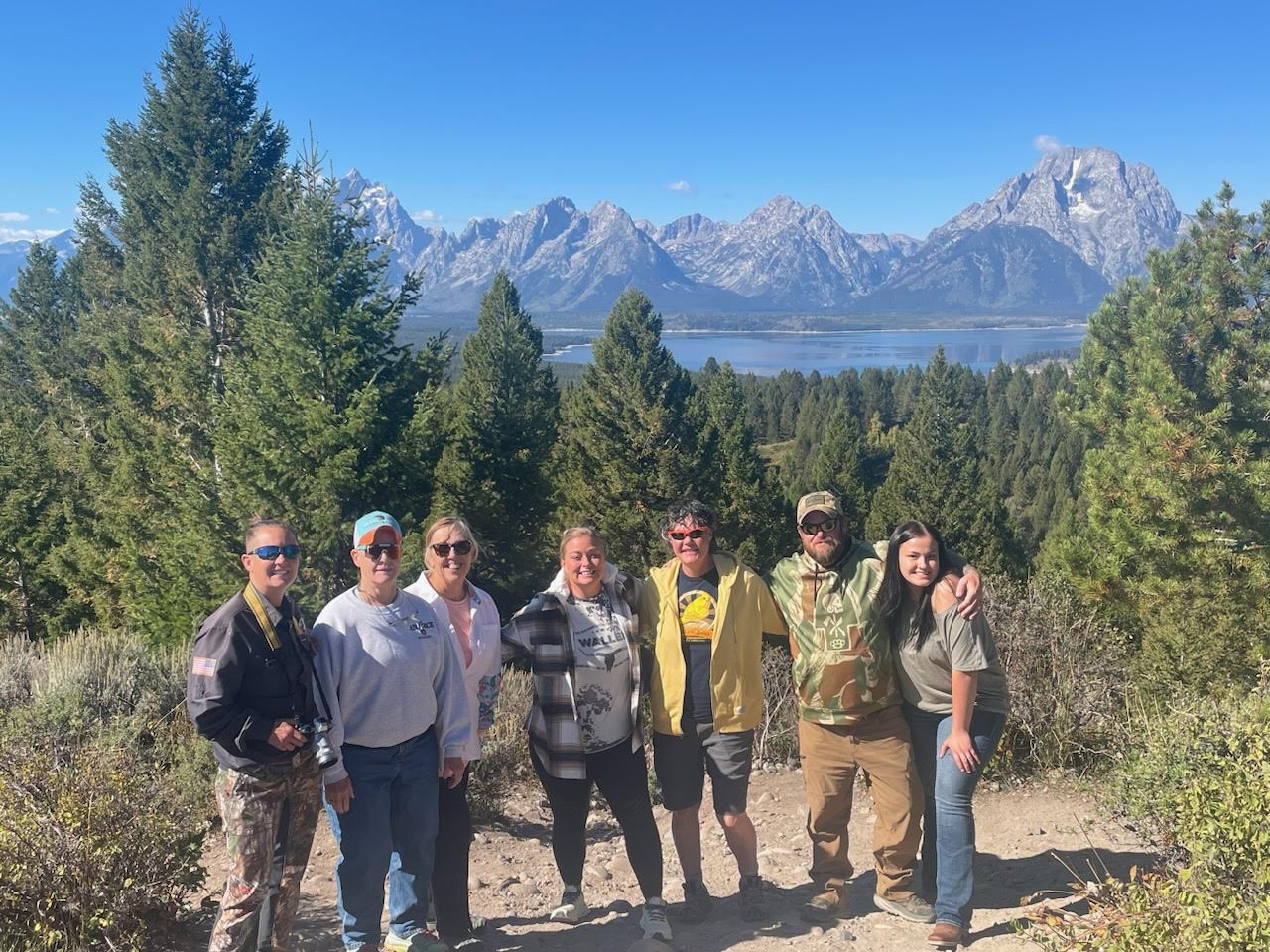
Ray Dodd, a veteran who now works with HOV after attending one of their sessions, agreed that these trips facilitate a specific kind of camaraderie.
“A lot of the veterans get used to being judged by people,” Dodd said. “They get out here and they find out that they’re not getting judged. Nobody’s walking on eggshells. They’re just people. For the veterans to feel that, it’s special.”
Jess Ball also attended an all-women fly fishing program and then returned to HOV as a volunteer, crediting the organization with saving her life.
“I love the fishing, I love the outdoors part of it, but the connections were just life-changing,” Ball said. “Being able to talk about things that you can’t talk about with others, being around your brothers and sisters again outside of things is so life-changing.”
Bonding among the veterans typically doesn’t end when the trip does. Women who meet on the trip regularly send each other photos of the fish they’ve caught. Some of them become godparents to each other’s children.

Both Dodd and Ball extolled the virtues of fly fishing as a way to ground oneself.
“There was no better feeling than what I experienced on that trip,” Ball said. “I wanted to give back and do the same thing for somebody else who’s going through the same thing, someone who needs that purpose, who can tie a fly every day when you’re getting too deep in your head. We get lost in our heads and those injuries are just hard to deal with.”
Dodd said fly fishing has even improved his cognition.
“Fly fishing saves lives,” Dodd said. “It really does. When I get out on the river instead of just sitting there and letting things run through my head, the next thing you know, eight hours have passed. You’re sunburnt, but you didn’t think about anything that made you feel like crap. Tying flies was really big for me because I had a pretty bad brain injury and I had cognitive problems, so sitting there tying flies and getting my memory to remember things, it really just reconnected some of those things in my brain that were messed up. It brought back things they thought would never come back.”
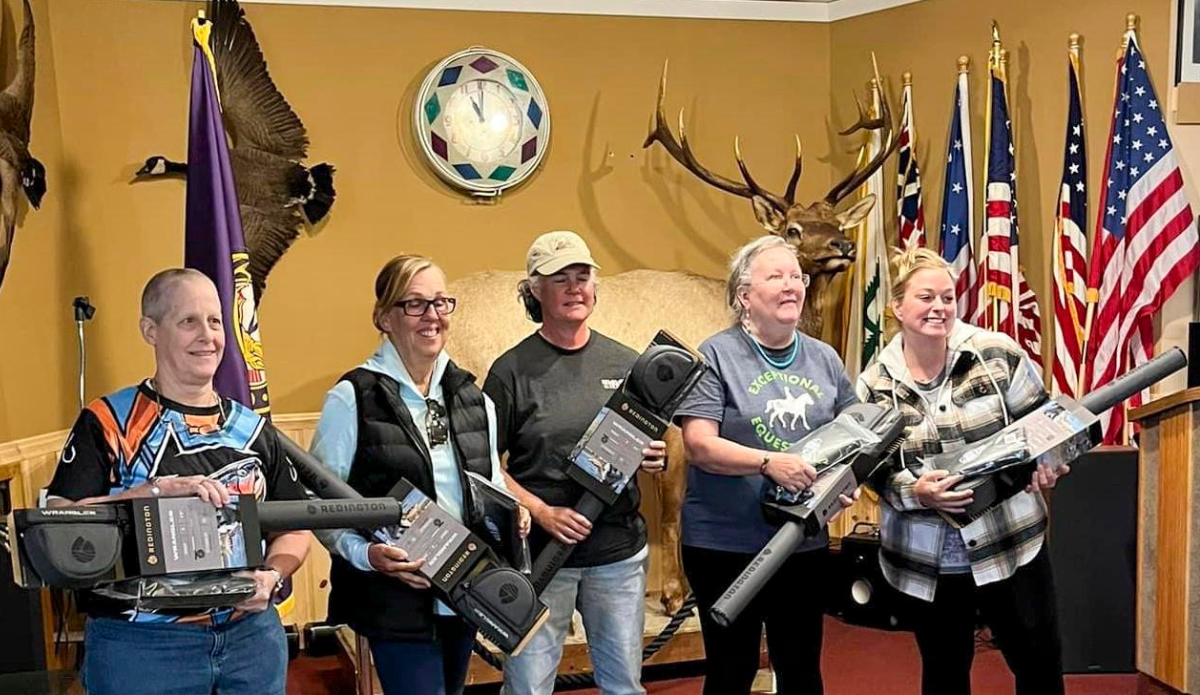
This particular group of ladies ended the trip with some karaoke, where they belted out such tunes as Journey’s “Don’t Stop Believin'” and Cher’s “Believe.”
Providing veterans with that feeling of optimism is central to HOV’s cause.
According to a 2021 study by Brown University, more than 30,000 active duty military personnel and veterans who served post-9/11 have died by suicide, more than quadruple the 7,052 U.S. service members who died in post-9/11 war operations.
Ball shared that before the fly fishing trip, she, too, was in a dark place. “I was on a lot of medication,” Ball said. “It was almost 32 pills a day. I was just a zombie. It was not good. But this program is so meaningful. It’s my purpose to be able to give back to veterans, and help them to feel happy again, and have a better quality of life and know that they have something now.”
Sandberg also feels that sense of purpose.
“The statistics show that we have 22 veterans every day who commit suicide,” Sandberg said. “If I can save one life, it is all worth it.”