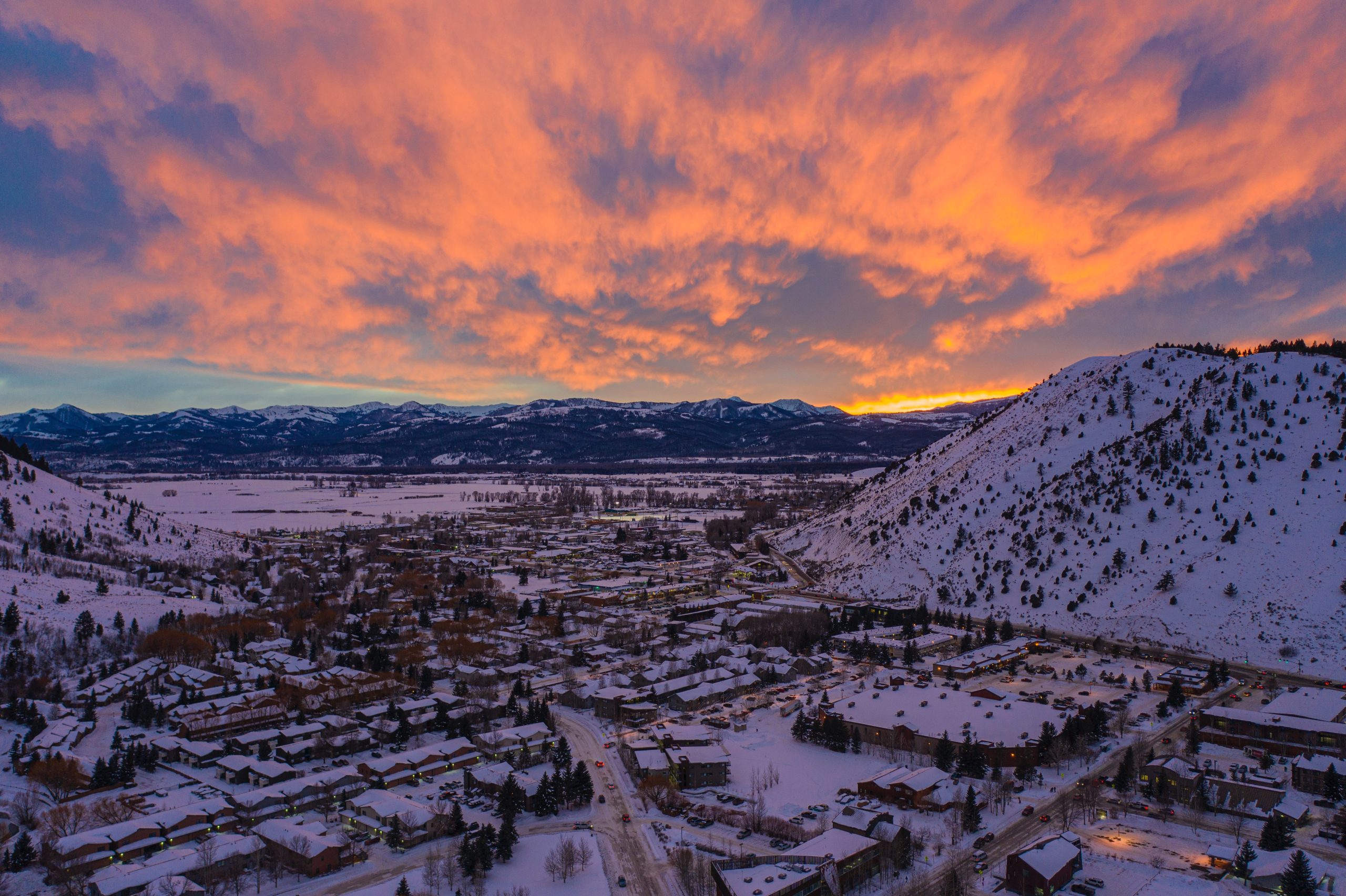
WYOMING — In the heart of America, where the majestic Rockies carve the sky, Wyoming stands as a testament to the raw, untamed beauty of high altitude living. This unique environment offers not just breathtaking landscapes but also poses distinct challenges and opportunities for health, particularly regarding the lymphatic system. Understanding the lymphatic system’s critical role and how it adapts to Wyoming’s elevated terrains can unlock keys to enhanced well-being and vitality.
What is the Lymphatic System?
The lymphatic system, often the unsung hero of the body, is a complex network of tissues and organs. It plays a crucial role in immune function, fluid balance and the removal of toxins. This system, consisting of the lymph nodes, vessels, spleen, thymus and tonsils, acts as a biological filtration system, protecting from illness and maintaining internal fluid balance.
Why is it important to take care of the lymphatic system? A well-functioning lymphatic system ensures efficient toxin removal, aids in transporting white blood cells throughout the body and supports overall immune health. Neglecting this critical system can lead to a host of issues, including inflammation, infections and potentially severe health conditions.
High Altitude Living and the Lymphatic System
Wyoming’s high altitude presents a unique environment that impacts the body in various ways. The thinner air at higher elevations means less oxygen is available, which can challenge our respiratory and circulatory systems. For the lymphatic system, high altitude can affect its efficiency in two significant ways:
Fluid Regulation: At high altitudes, the body tends to lose water faster through increased respiration and urination. This dehydration risk can lead to thicker lymph fluid, making it harder for the lymphatic system to transport waste effectively.
Immune Response: The initial stress of adjusting to high altitude can temporarily suppress the immune system, making the body more susceptible to infections. A robust lymphatic system is vital in defending against this increased vulnerability.
Understanding these specifics is crucial for residents and visitors alike to maintain optimal lymphatic health while embracing the serene beauty of Wyoming’s high-altitude lifestyle.
Nourishing the Lymphatic System
Diet plays a pivotal role in supporting or hindering lymphatic function. Knowing what to embrace and avoid can make all the difference in maintaining a healthy lymphatic system.
Certain foods can contribute to lymphatic congestion and sluggishness, impacting overall health. The worst foods for the lymphatic system typically include:
- Processed foods: High in salt, sugar and unhealthy fats, these can lead to inflammation and water retention, burdening the lymphatic system.
- Dairy products: For some individuals, dairy can increase mucus production and lymphatic congestion.
- Refined sugars and grains: These can cause blood sugar spikes and inflammation, further straining lymphatic flow.
- Fried and fatty foods: These can lead to obesity and increased load on the lymphatic system.
Best Foods for the Lymphatic System
Conversely, a diet rich in fruits, vegetables, lean proteins and whole grains supports lymphatic health by providing essential nutrients and encouraging proper fluid balance.
Incorporating specific foods can significantly benefit lymphatic function, particularly in Wyoming’s high-altitude environment:
- Leafy greens and cruciferous vegetables: Rich in antioxidants and phytonutrients, they support detoxification and lymphatic health.
- Berries: High in antioxidants, they help protect lymphatic cells and support immune function.
- Healthy fats: Omega-3 fatty acids found in fish, flaxseeds and walnuts support lymphatic flow and reduce inflammation.
- Hydrating foods: Cucumbers, celery and watermelon help maintain hydration and promote lymph fluid movement.
Enhancing Lymphatic Health: Beyond Diet
While diet is a cornerstone of lymphatic health, supplementation can offer additional support. Products like Lymph System Support by PureHealth Research are formulated to complement dietary efforts, providing targeted nutrients that support the lymphatic system’s function and efficiency. Such supplements, when combined with a balanced diet and healthy lifestyle, can provide a comprehensive approach to maintaining lymphatic health in the demanding high-altitude environment of Wyoming.

PureHealth Research distributes a product line made with natural ingredients. Always check with a doctor for risks associated with dietary supplements and specific health conditions and/or allergies. Those who are pregnant, nursing, taking medication or have a medical condition, consult a physician before using these products.
PureHealth Research has no affiliation, association or relationship with Pure Health Cuidado Natural.
Embracing a Lymphatic-Healthy Lifestyle in Wyoming
Beyond diet and supplementation, embracing a lifestyle that supports lymphatic health is vital. Regular exercise, particularly activities like hiking and yoga, can enhance lymphatic circulation. Staying hydrated, practicing deep breathing exercises and ensuring adequate sleep are also crucial for lymphatic health, especially at high altitudes where the body demands more to maintain balance.
In conclusion, the lymphatic system’s role in high-altitude living cannot be overstated. With the unique challenges and beauty of Wyoming’s landscape, understanding how to take care of the lymphatic system is integral to overall health and well-being.
Statements in this article have not been evaluated by the food and drug administration. Products are not intended to diagnose, treat, cure or prevent any disease.