A message by Teton County Commissioner candidate Luther Propst
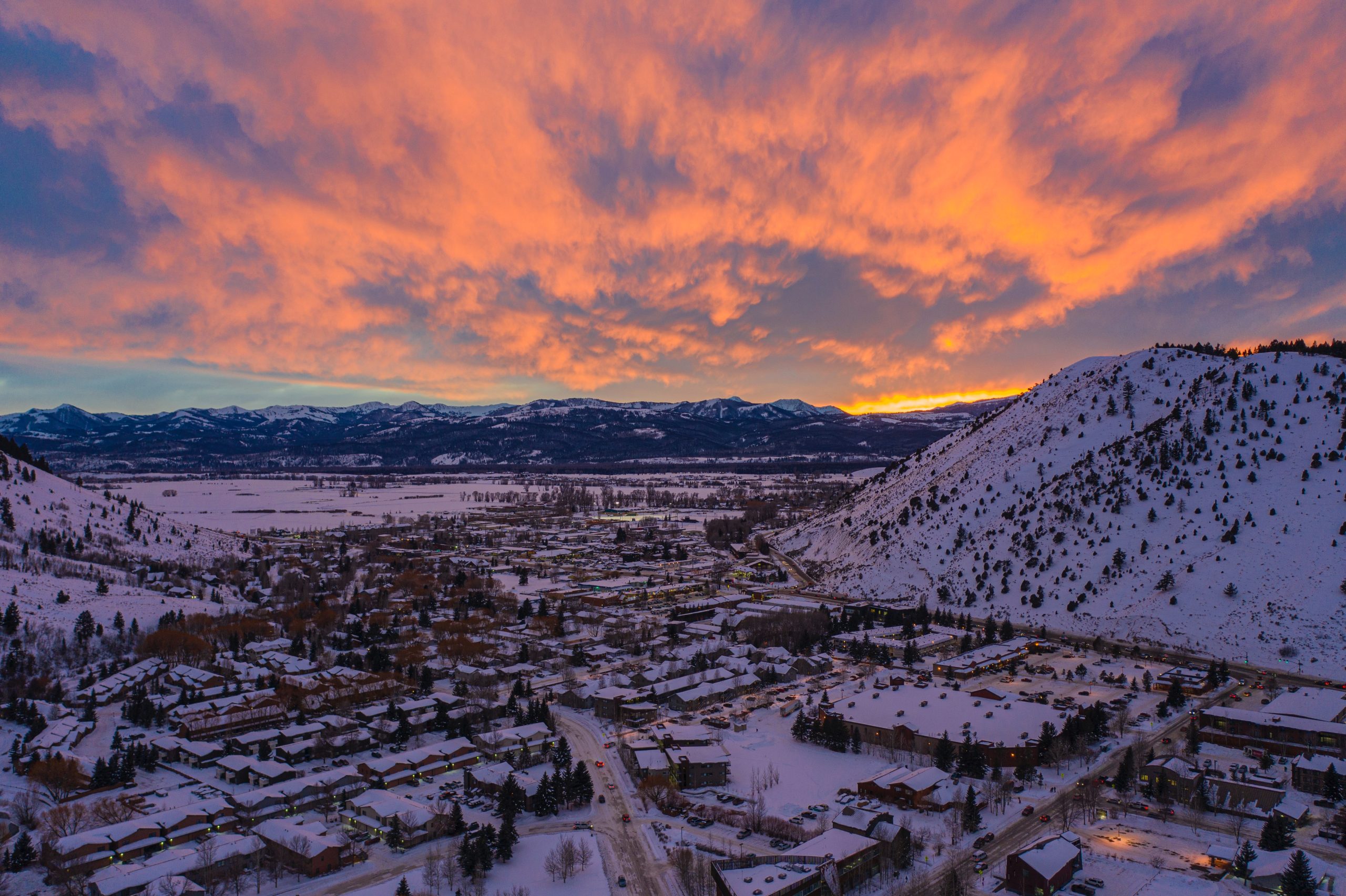
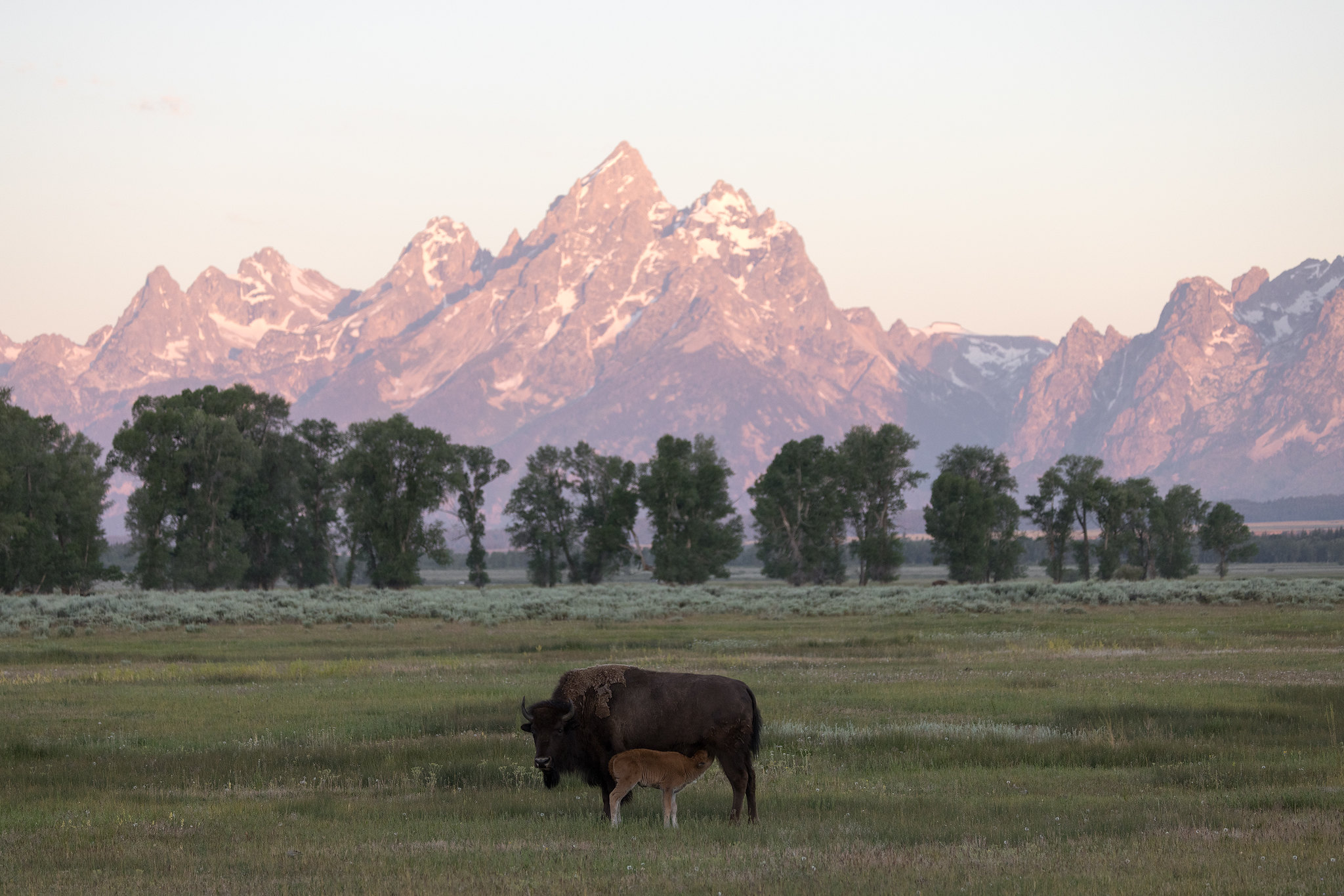
JACKSON, Wyo. — For generations, Teton County has been defined by an extraordinary commitment to conservation. After all, 42 percent of the world’s first national park is in Teton County. Since the establishment of Yellowstone in 1872, Teton County residents and actions have often been at the forefront of global conservation. Our wildlife, water quality, open agricultural lands, and public lands are the foundation of our community, our economy, and our identity.
But as Teton County has grown in population, popularity, and visitation, we face a fundamental question: Have our policies and institutions become more responsive to the demands of development and industrial tourism than to the demands of conservation and community?
For decades, economic growth has been generally regarded as a measure of progress. More investment, more development, more visitors, and more economic activity meant more opportunity and prosperity.
But that relationship has changed – in Teton County and in other popular destination communities. Economic growth is no longer a sound proxy for growth in community well-being. Instead, much of the economic growth in Teton County benefits developers, investors, private equity firms, and shysters rather than community members, whether that’s a young health care worker looking to build a life here, a retiree looking to drive to town, or a visitor trying to get from the airport to the ski hill or a hotel. Increasingly, the community serves growth, rather than growth serving the community. Both our conservation heritage and our community suffer the consequences.
The speed, scale, and cumulative effects of economic demand have outgrown the environmental, financial, and human resources available to absorb them, as well as the civic systems designed to manage them.
We see the consequences in the pressures on our water quality, fragmentation of wildlife habitat, traffic congestion, and housing that is increasingly unavailable to the people who make this community work. The answer is not to set aside a few acres here and there in connection with ever more growth or set aside a few deed-restricted homes in connection with more luxury short-term rentals.
These are not unrelated problems. They are symptoms of a larger challenge: Our capacity to manage growth has not kept pace with its consequences, particularly for conservation. We can no longer view growth as anything other than the fundamental conservation challenge in our county. More growth is the problem, even if it does include the lipstick of a solar panel on the roof or a distressed wooden facade on a new short-term rental, or acreage placed under conservation easement in connection with a new 10,000 square foot house.
And this raises a question about our priorities.
Conservation must be more than a shared value
Nearly everyone in Teton County agrees that conservation matters. The harder question is what happens when conservation and development interests collide.
For too long, the default response to growth pressures has been to find ways to accommodate and mitigate them. We relax regulations, extend infrastructure, and consider development proposals individually, often without adequately accounting for their cumulative consequences. When a developer shouts “affordable housing,” we abandon all pretext of building community.
One development fragments a wildlife corridor. Another places additional demands on groundwater. Another converts rural land to residential use.
Each decision may appear manageable on its own. But together, these decisions can gradually compromise the natural systems we have spent generations protecting.
Conservation cannot simply be another consideration in the development process, weighed against the economic benefits of the next project. It must be a governing principle that determines how, where, and whether growth occurs.
That is where I stand.
Our approach to governing must catch up
The challenges facing Teton County today are not the same as those we faced 30 or even 15 years ago. Diverse federal, state and local policies, as well as popular culture, ranging from the Trump 2017 tax cuts for rich people, the Clean Air Act Amendments of 1977 that catalyzed the Wyoming coal industry and created our current sovereign wealth fund to the Covid pandemic and a television series named Yellowstone. The scale of economic demand has progressed to a whole new level, while our policies, institutions, norms and and investments have not. Our response must now evolve and rapidly.
That means moving beyond reacting to individual development proposals and taking greater responsibility for their collective consequences.
It means implementing the Water Quality Management Plan without further delay, strengthening aquifer protections, and investing in wastewater infrastructure that protects our rivers and groundwater.
It means updating our land development regulations to better protect wetlands, wildlife habitat, and migration corridors; and investing in wildlife crossings.
And it means recognizing that a sustainable community also requires housing preservation, better public transportation, renewable energy, and more energy-efficient buildings. And workforce housing rather than more hotels.
These are not separate agendas. They are interconnected parts of managing growth in a place where the health of our community depends on the health of our natural environment.
The measure of progress
None of this means opposing all development or pretending we can turn back the clock. Growth will continue, and our community must adapt. And, of course, it does not mean opposing affordable housing for our community, so long as that proposal is an authentic effort to house our workforce and long-time residents rather than just another poor excuse for another hotel or more luxury housing.
But adapting cannot mean continually sacrificing the things that make Teton County extraordinary.
We need to change how we measure progress. More development does not necessarily mean a stronger community. More economic activity does not necessarily mean a better quality of life.
The real measure is whether we are protecting the natural resources, community character, and opportunities that make this a place people want to call home.
That requires making difficult choices. And when accommodating growth conflicts with protecting our natural heritage, we need to be clear about our priorities.
I believe conservation must come first – for water quality, for wildlife, for community, and for the types of opportunity that distinguishes Teton County from any ol’ suburb.
We inherited a remarkable place because previous generations understood that some things are worth protecting.
Our responsibility is to ensure that the next generation can say the same.
Vote!