JACKSON, Wyo. — Whether stepping across a clear stream deep in the woods or filling up a bottle at a gas station during a road trip, we’ve all wondered: “Is this water safe to drink?” Unfortunately, many Teton County residents must ask this about their drinking water daily. While some get their drinking water from public water systems that are required to perform regular water quality monitoring by the Environmental Protection Agency (EPA), many residents get their drinking water from private wells. Water quality from private wells is not required to be checked, so it is up to individuals to test these wells.
Wednesday, March 13, is the Wyoming Department of Environmental Quality’s annual “Know Your Well Day.” Following this statewide call-to-action, Protect Our Water Jackson Hole (POWJH) is partnering with local organizations to offer a free drinking water well testing event for private well users across Teton County. Information will be provided in both English and Spanish.


Thanks to an EPA Environmental Education grant with a supporting grant from the Community Foundation of Jackson Hole, POWJH will provide free well test kits, with the help of students from the AP Environmental Science class at Jackson Hole High School (JHHS), for residents to pick up on Wednesday, March 13, from 4 to 6 p.m. at JHHS. These kits include a bacteriological test provided by Teton County Health Department (TCHD), and a nitrate test strip. As kits are picked up, participants will sign up for a specific sampling day to personally collect their water samples and drop them off at the POWJH office (250 E. Broadway). After TCHD processes bacteriological samples, POWJH will notify and work with participants to understand and use their test results. Learn more at www.powjh.org/well-testing.
It is imperative to know whether contaminants we cannot see, taste or smell have made their way into the water we drink each day. Elevated bacteria and nitrates are the most common well contaminants and pose both acute and chronic threats to human health. These contaminants are a real concern in areas like Pub Place, Old West Cabins, Kelly, Alta and Hoback Junction, where nearly 40 households now rely on a clean drinking water delivery program funded by POWJH.
While not all types of bacteria can be harmful, certain strains, such as E. coli, have the potential to induce painful nausea, diarrhea, vomiting and fever. Chronic exposure to nitrates in drinking water also poses undesirable health risks. The EPA’s maximum contaminant level for nitrates in drinking water (10 mg/L) was set in 1962 to protect against blue-baby syndrome. Recent studies indicate that long-term exposure at lower levels can increase the risk for digestive system cancers and other detrimental reproductive outcomes.
We all need reliable, up-to-date information to understand and protect our health. Young, elderly, pregnant or immunocompromised individuals are more susceptible to the unwanted effects of bacteria, nitrates and other contaminants. Contamination can come from various sources, so it is important to test a well at least once per year. In addition to routine testing, other reasons to test wells include water quality issues in the area, nearby flooding or land disturbances, recent water system repairs or maintenance, the intent to buy or sell a property or the onset of an unexplained illness.
Groundwater pollution from insufficient wastewater management affecting our aquifer and contaminated well water are connected issues. Teton County’s Water Quality Management Plan (WQMP) offers steps to address drinking water concerns in our community. From stricter regulations on small wastewater facilities (septic systems) to expanding the reach of regional wastewater treatment plants and establishing water protection overlay districts, there are many positive proposals within the WQMP. However, there are also components of the WQMP that need to be strengthened.
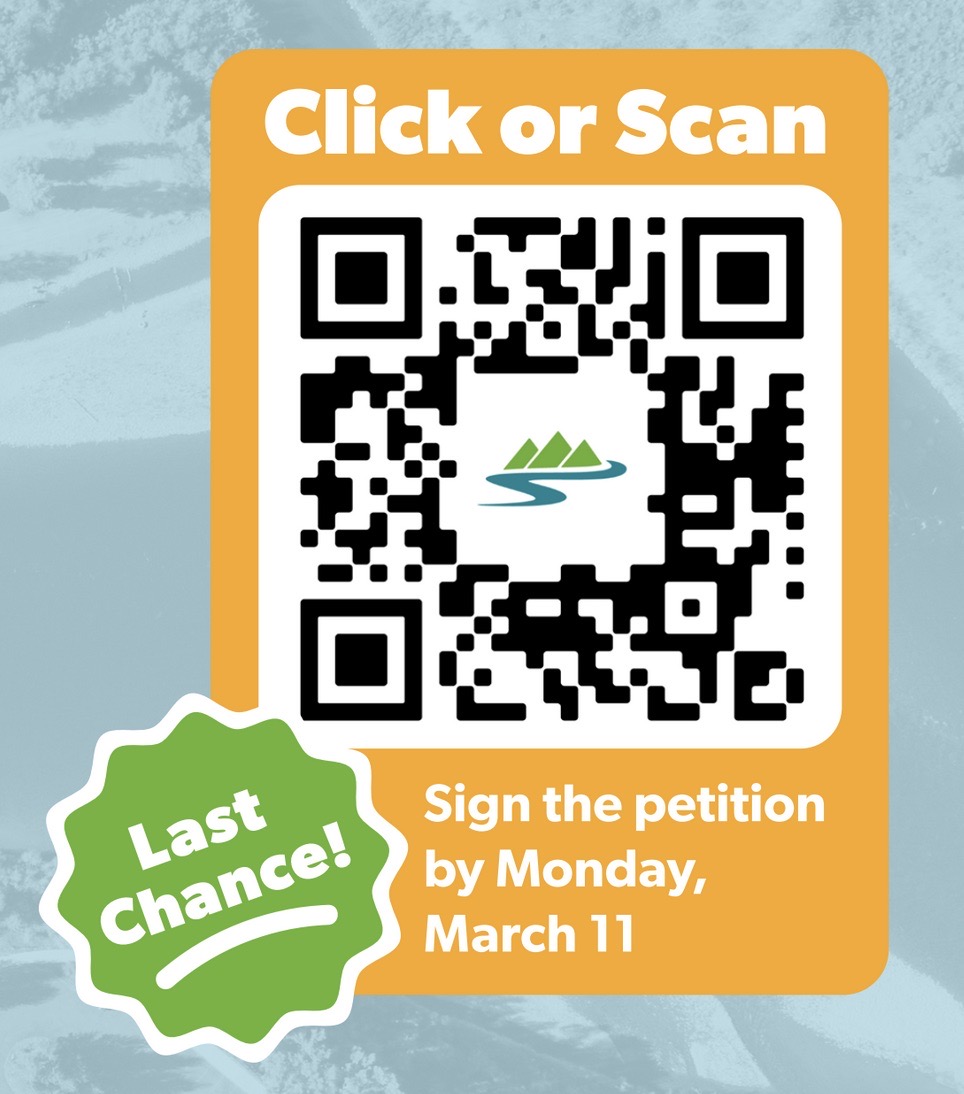
The draft WQMP will be presented at a Teton County Board of County Commissioners workshop on Tuesday, March 12 from 9 a.m. to 3 p.m. Public comment will be accepted starting at 1:30 p.m. POWJH has drafted a petition urging elected officials to adopt and fortify the WQMP. Learn more at www.change.org/POWJHpetition.
Next Tuesday, March 12 is the opportunity to learn more about water quality issues facing our community and make local voices heard. Wednesday, March 13 is an opportunity to improve the health of a household. Only together can we protect these magnificent water resources; don’t miss the opportunity to get involved – for individual health and the health of our community.