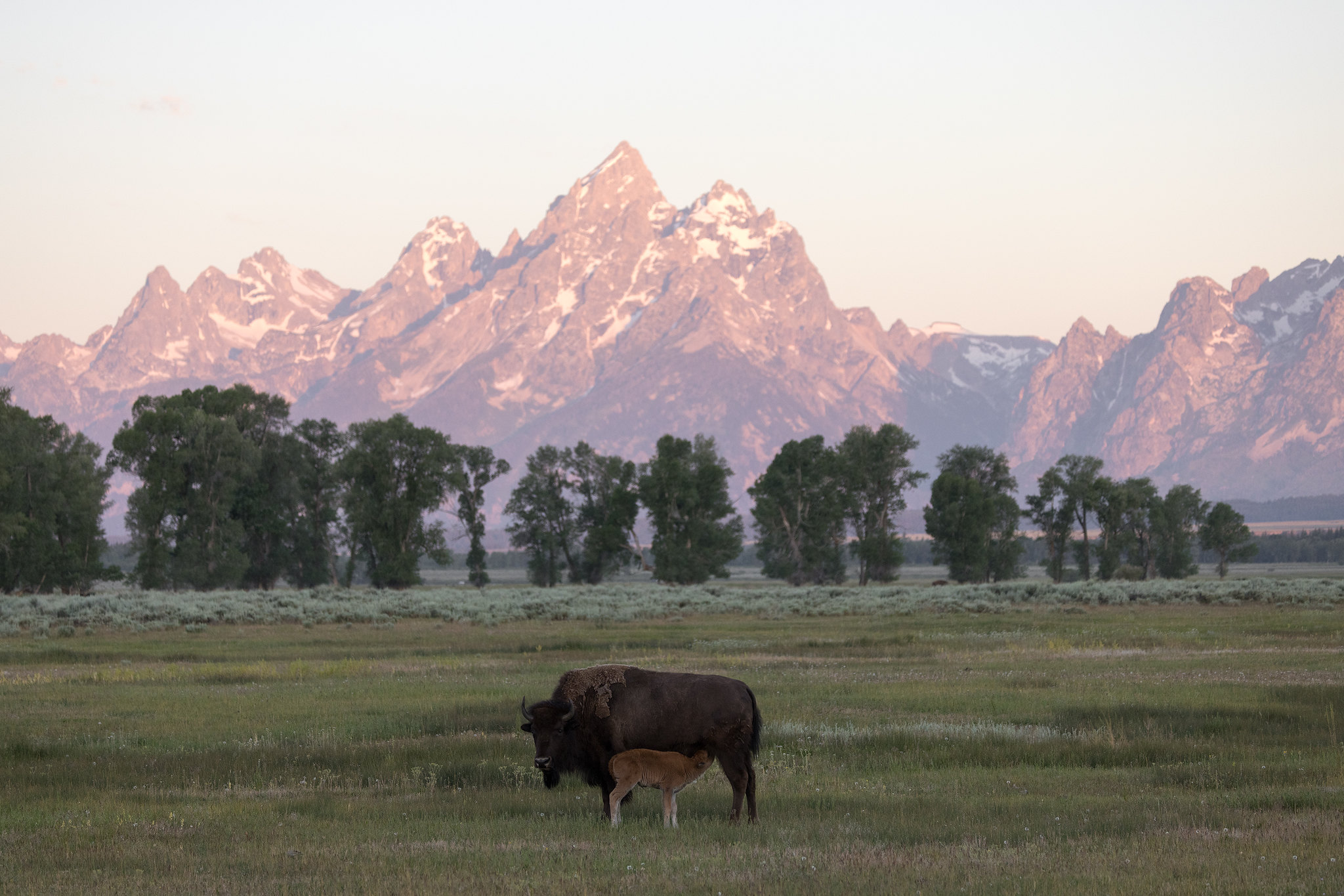
JACKSON, Wyo. — As summer winds down, Grand Teton National Park (GTNP) shared how downed trees strewn throughout the forest are a sign of a healthy ecosystem.
“What’s up with the ‘messy’ forest?” GTNP wrote via Facebook. “Visitors sometimes ask why we don’t clean up the downed trees scattered throughout the park. While we do clear them from roads, trails and around buildings for safety, most are intentionally left to decompose naturally — a critical part of forest ecology.”
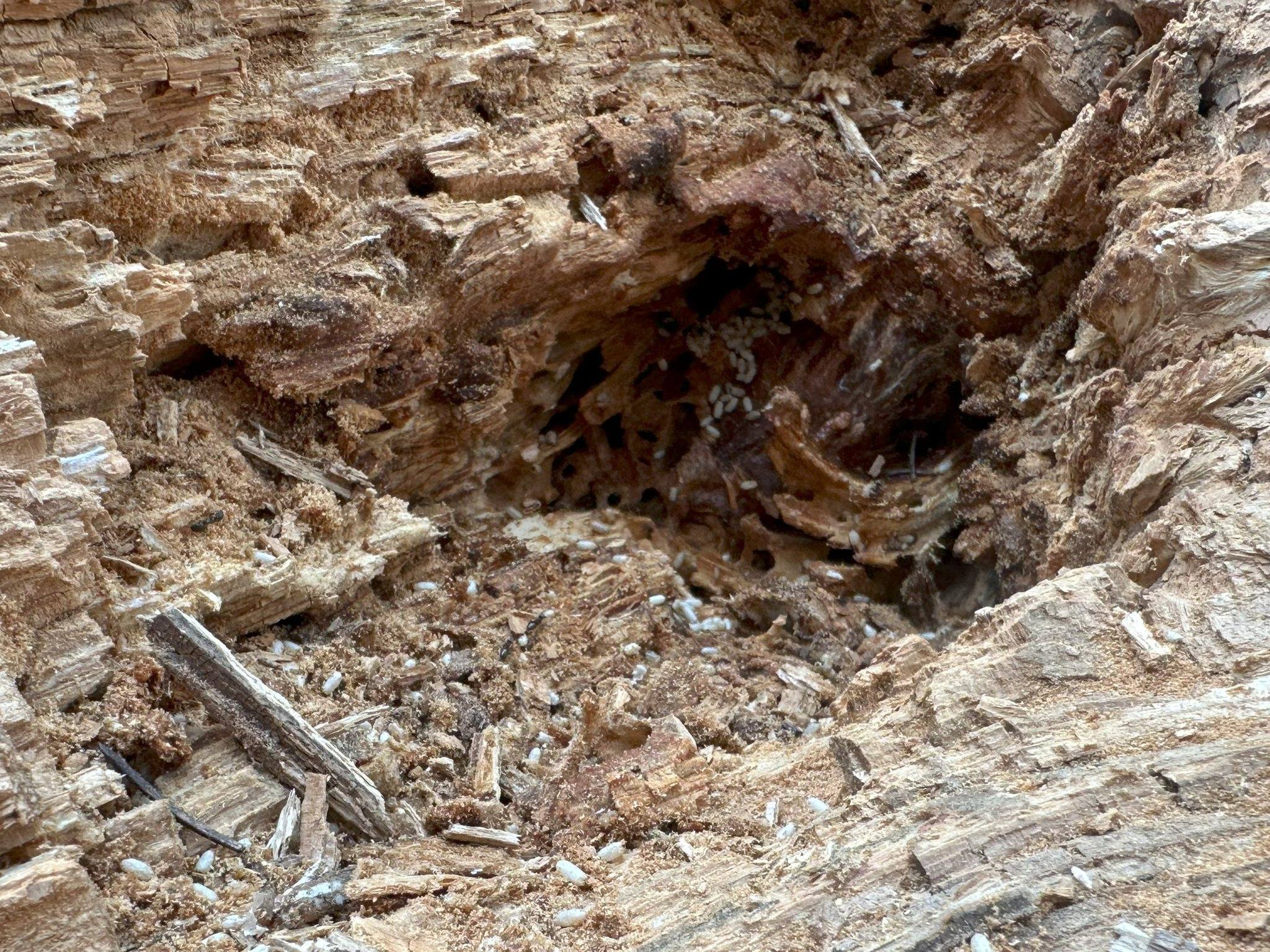
According to GTNP, once a tree dies, it begins a slow process of decay. During the decomposition process, wood-boring insects are often the first to arrive, tunneling into the wood for food and shelter. Woodpeckers and flickers often follow, “pounding out larger holes to access the insects and larvae within the trees,” GTNP wrote.
These tunnels and excavations allow fungi, moisture and additional insects to join the process of breaking the tree down and returning its nutrients to the soil, enriching the forest floor, the GTNP post reads. Black bears and grizzly bears will then eat the insects, like ants, termites, beetles and their larvae and pupae, receiving a significant portion of their protein and fat.
“Bears will sniff out these nutritious morsels and rip the logs apart with their powerful claws,” GTNP wrote. “In doing so, they further fragment the wood, promoting decomposition.”
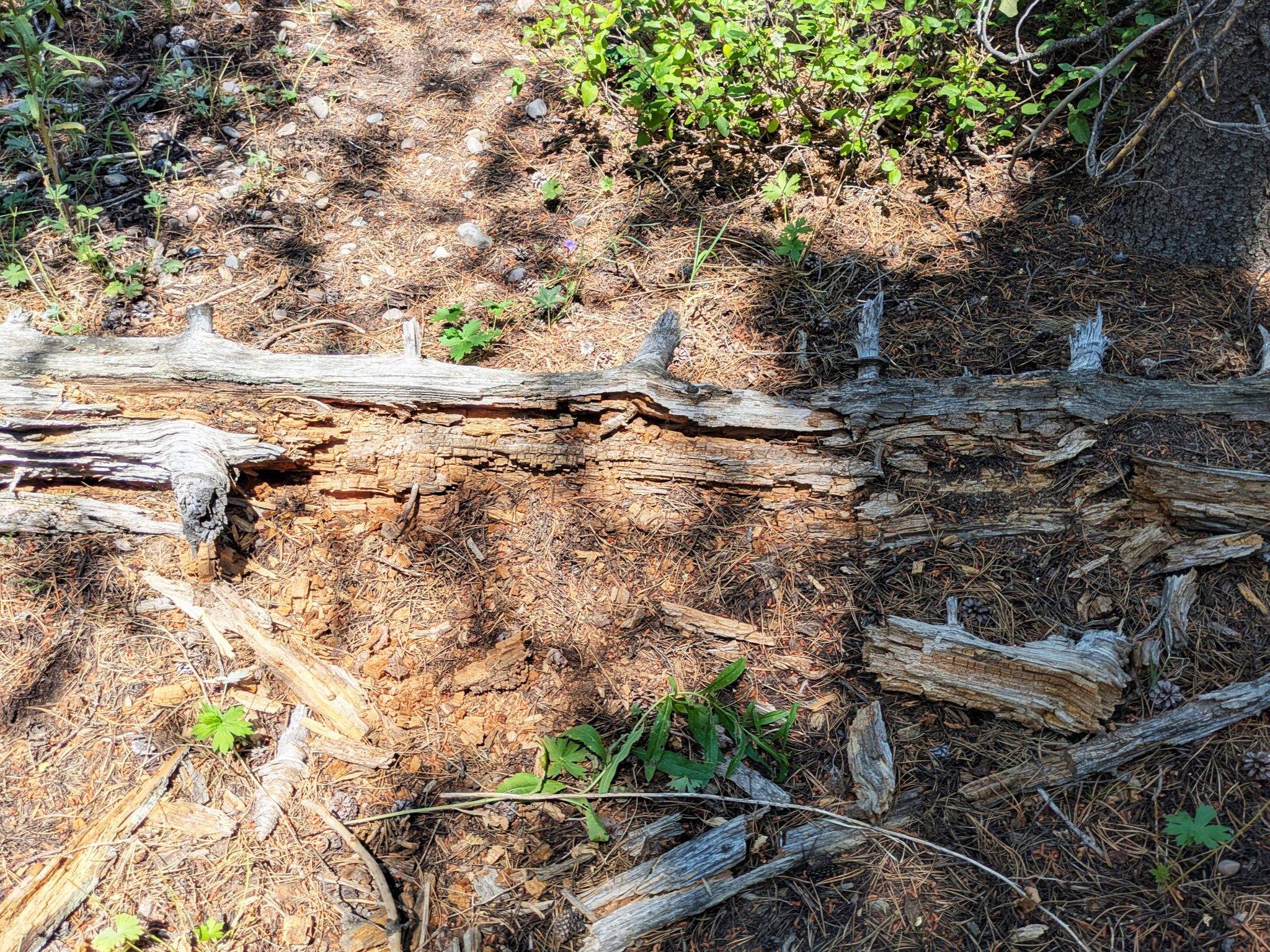
GTNP encourages visitors to view shredded logs as more than just debris but as part of “the magic of the forest’s natural recycling process.”