JACKSON, Wyo. — While some ungulates shed their headwear annually, bighorn sheep can be seen with their horns year-round.
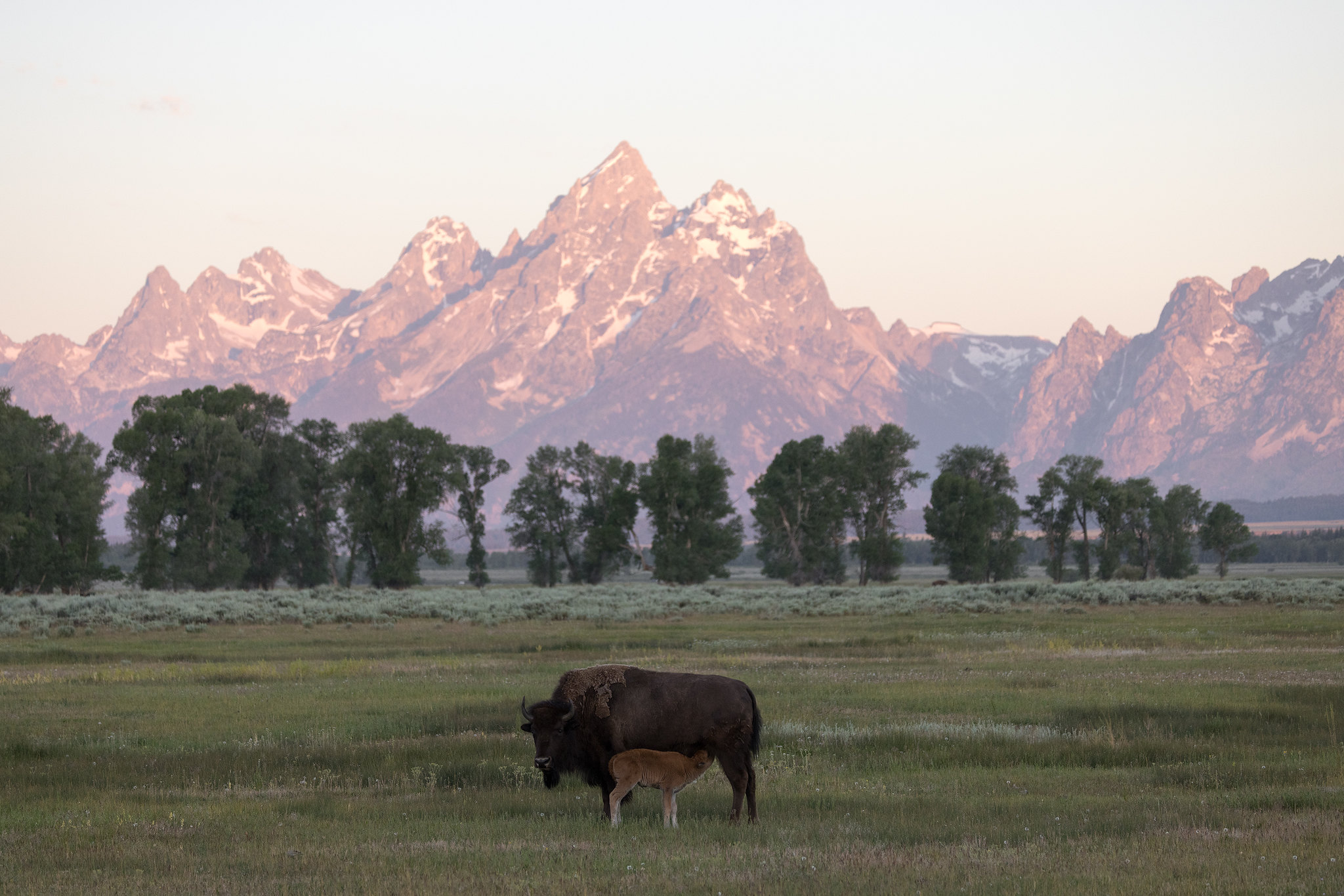
Animals with antlers, like elk, deer and moose, shed their antlers around springtime, but animals with horns, like bighorns and bison, hold onto their horns until death. Even if horns chip, crack or break due to heavy use, they will still remain attached to the skull.
“Long story short, if you see a horn without its owner, it’s curtains for that unlucky ungulate,” Yellowstone National Park wrote in a previous social media post.
According to the National Park Service (NPS), bighorn sheep horns are composed of keratin, the same material that makes up human fingernails. As a potential suitor in competition with other males, male bighorns or rams will develop heavy horns that curl with age in order to demonstrate physical prowess to females or ewes.
Research also shows, however, that male bighorns that survive exposure to pneumonia outbreaks can actually experience severely stunted horn growth.
Bighorn sheep are also notable for their unique rectangular pupils, an evolutionary advantage against their predators. Read more about this here.
In Grand Teton National Park, visitors are encouraged to report any sightings of bighorn sheep or mountain goats to a GTNP ranger or by filling out a Rare Animal Sighting form at any of the park’s visitor centers.
This story runs annually.