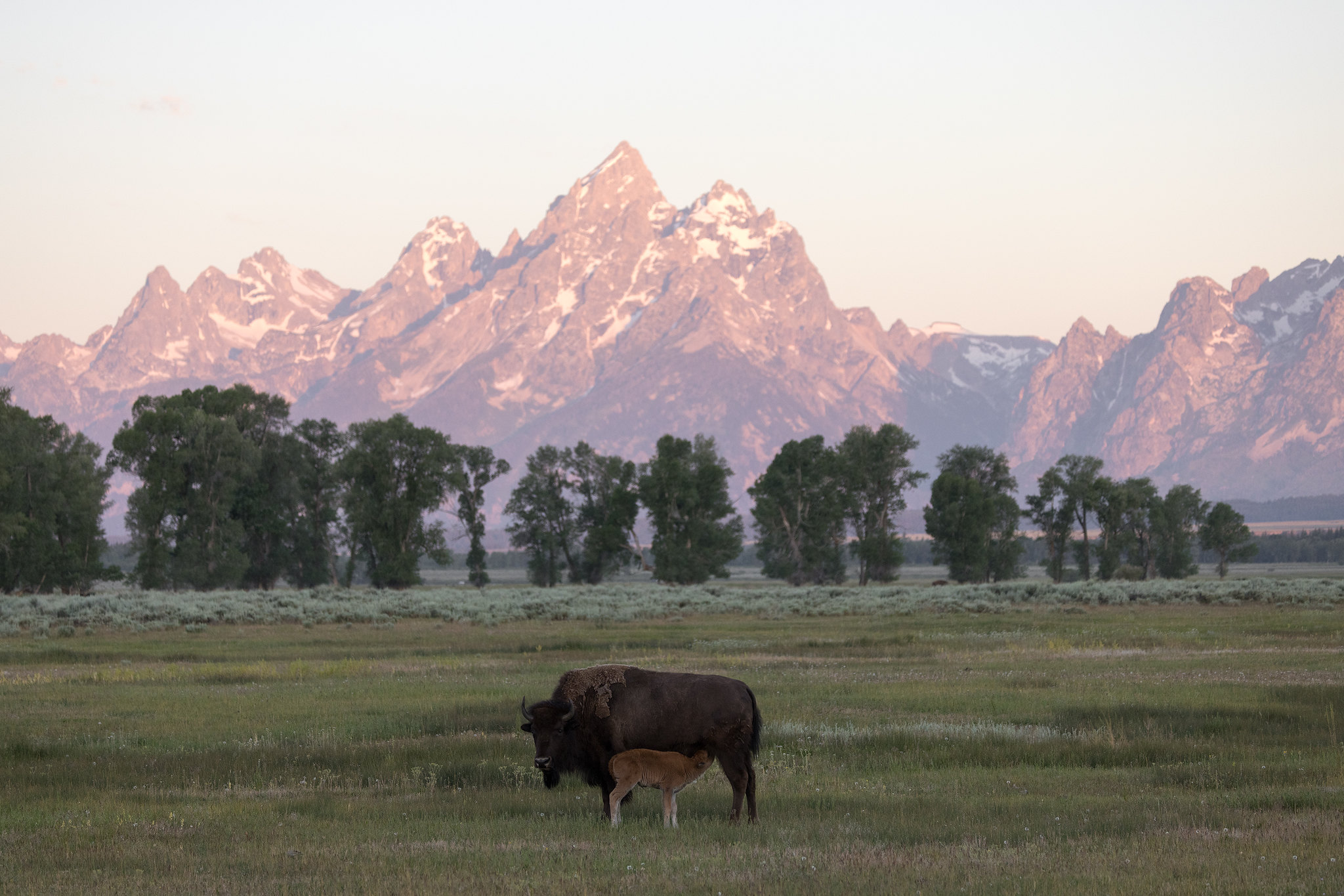
MOOSE, Wyo. – 2023 marks the 50th year for the Endangered Species Act (ESA), the United States’ primary law protecting threatened wildlife that includes key species living in Grand Teton National Park (GTNP).
The ESA, in conjunction with the U.S. Fish and Wildlife Service (USFWS), provides guidance for GTNP to support recovery of listed species. According to Valerie Gohlke, GTNP public affairs officer, the protection offered by the ESA and the mission of the National Park Service go hand in hand.
The USFWS’s Environmental Conservation Online System (ECOS) currently lists 737 animal species and 941 plant species as endangered or threatened. Endangered species are those in danger of becoming extinct, and threatened species are likely to become endangered in the near future.
Buckrail recently reported on the potential removal of grizzlies from ESA protection, but the Canada lynx and yellow-billed cuckoo are two other threatened animal species that inhabit GTNP. Species of concern include gray wolves, bald eagles and greater sage grouse.
Gray wolves are being seen much more than they once were, according to general manager and wildlife biologist guide at Ecotour Adventures Tenley Thompson. Grizzly bears are also frequently spotted, and the visibility of these “charismatic megafauna,” as Thompson calls the fuzzy mammals, can inspire people to become passionate about caring for the ecosystem and all animals in GTNP as a whole.
It’s not just the animal species. Whitebark pine trees are considered a keystone species in GTNP and the Greater Yellowstone Ecosystem (GYE) and have just recently been listed as threatened. Thompson emphasizes that the Clark’s Nutcracker, the grizzly bear and the high mountain squirrel and rodent populations depend on whitebark pine for survival, and it’s a recognizable part of the iconic landscape to anyone visiting.
“Having a complete ecosystem and intact place of wilderness is incredibly rare, and it’s thanks to the ESA that that’s the case in GTNP,” Thompson says.
GTNP has an active and interdisciplinary team contributing to their science and resource management program who monitor threatened species and species of concern and educate the public at visitor centers, on guided talks and online, in addition to restoring and protecting habitat.
“National Parks are a great platform to bring awareness to those who visit the parks, in person or virtually,” Gohlke says. “As visitors gain a better understanding as to what threatens these species and what the park is doing to help recover them, they can take actions that lead towards these species’ recovery.”
The USFWS will do an assessment every five years to determine animal and plant protection status. GTNP also puts out an annual vital signs report to inform the public of individual resources and ecological processes that affect the animals and their habitats.